Geophysical Site Survey

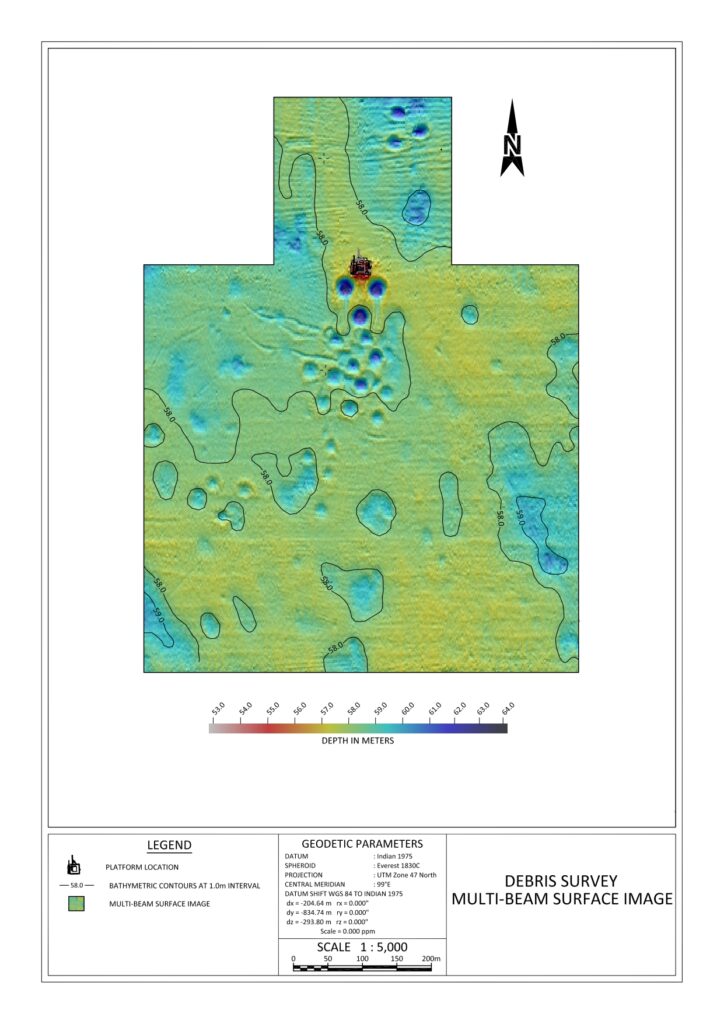
Geophysical Site Survey is an essential multidisciplinary operation conducted before offshore drilling, pipelaying, or platform installation. While a Debris Survey (for jack-up rigs) focuses on the surface, a full Geophysical Survey investigates the entire environment from the water surface to several hundred meters below the seabed. 
Objectives

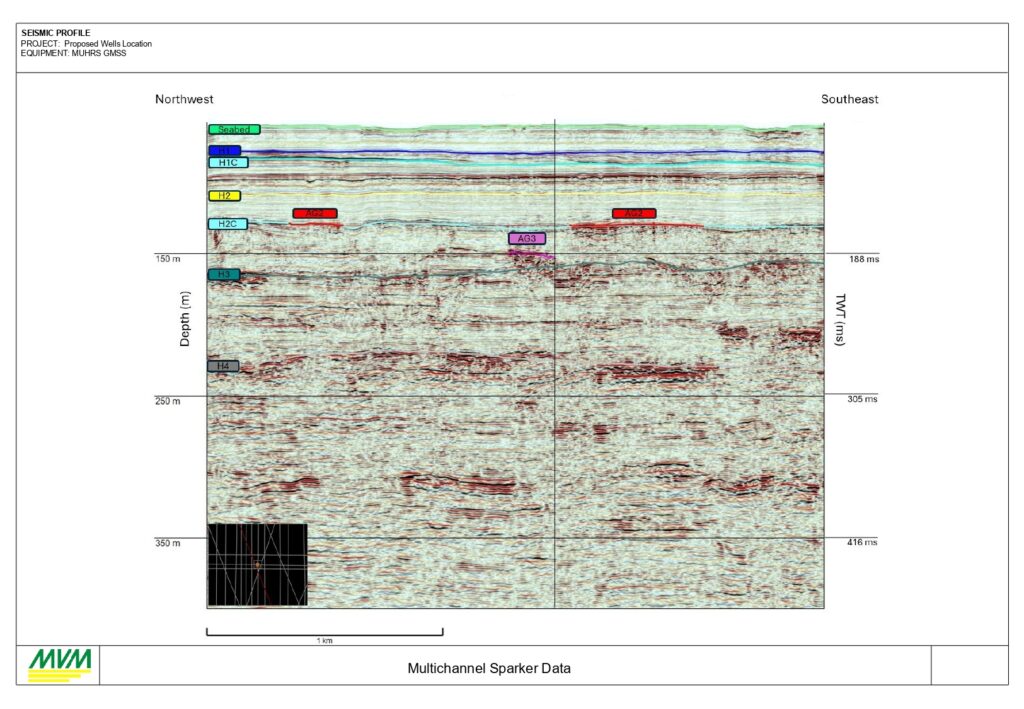
  • Geohazard Identification Detecting shallow gas pockets, fault lines, or unstable "slump" areas that could cause a blowout or structural collapse.
  • Engineering Design Providing data for foundation engineering (e.g., how deep a pile should be driven or the slope stability for a pipeline).
  • 📍
    Infrastructure & Archaeological Mapping Locating existing pipelines, cables, and shipwrecks to ensure safe clearance (typically 50m–500m).
  • 📊
    Stratigraphic Correlation Mapping the geological layers (stratigraphy) to understand the soil's load-bearing capacity.
  • 🌿
    Benthic / Habitat Mapping Identifying sensitive environmental areas (coral reefs, seagrass) to avoid ecological damage during installation.

2. Methodology & Equipment Functionality 

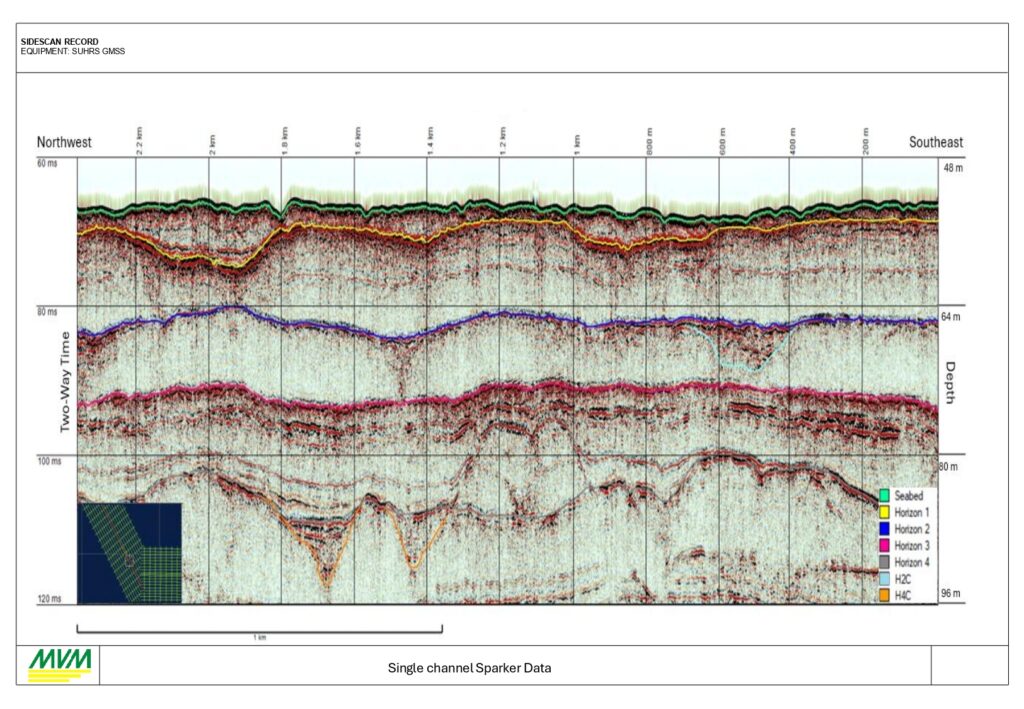
Sub-Bottom Profiler (SBP) – "The X-Ray"

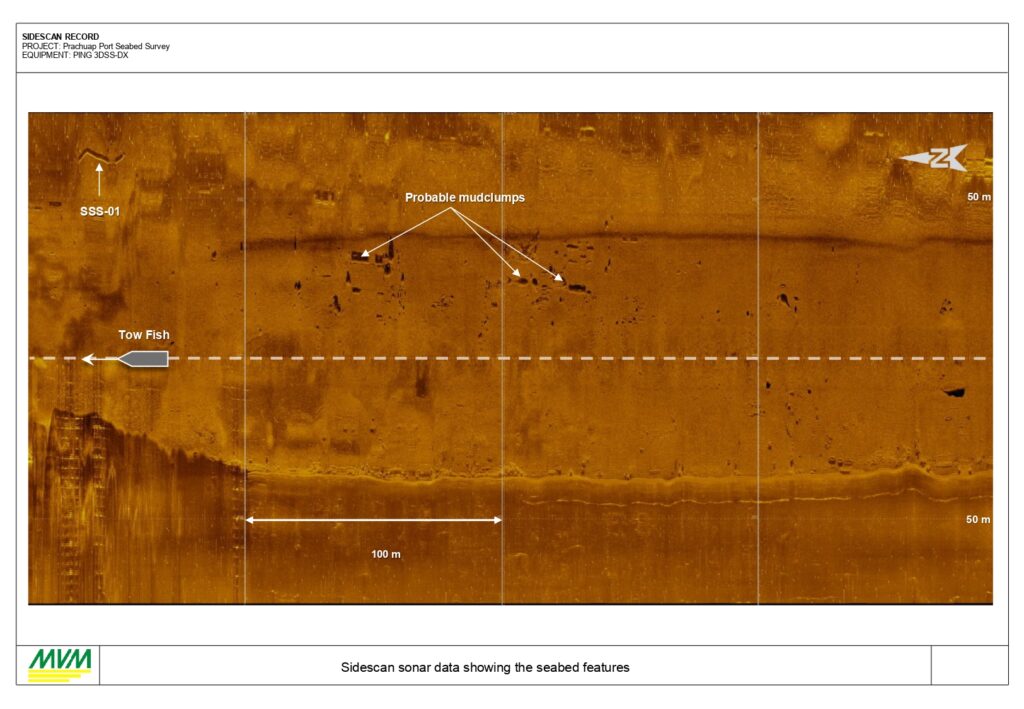
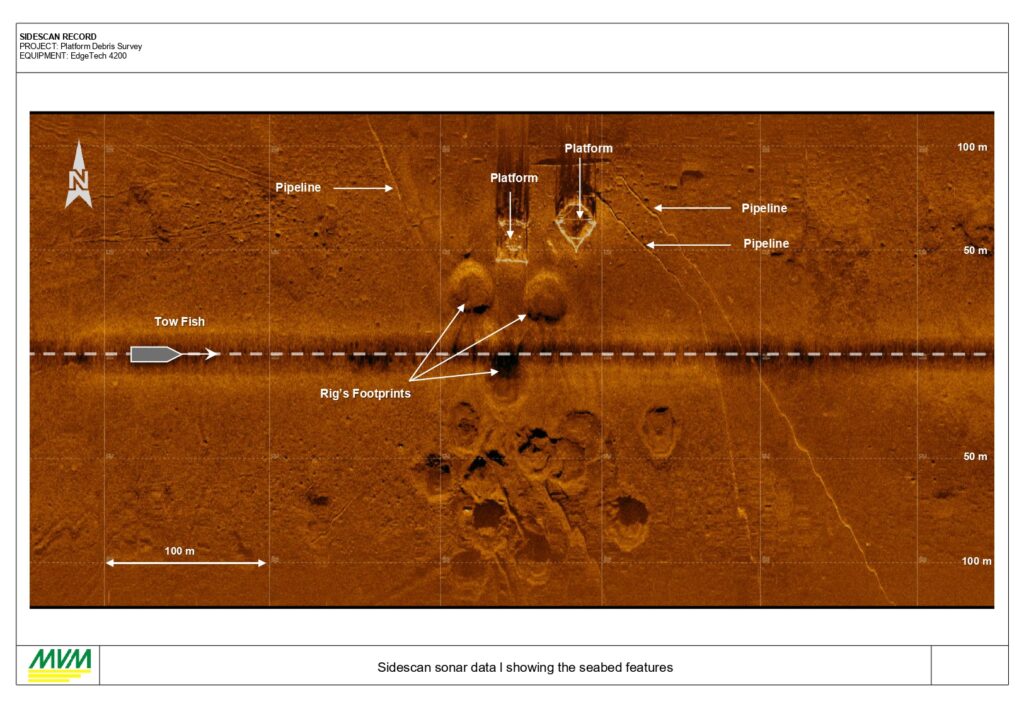
B. Side Scan Sonar (SSS) – "The Camera"

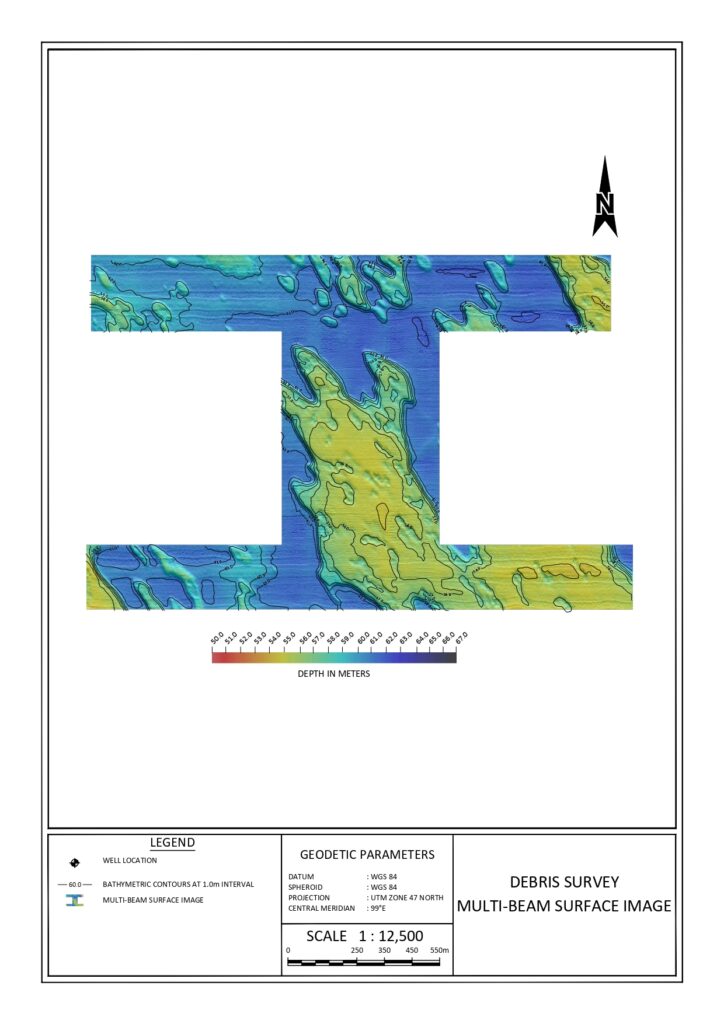
C. Multi-Beam Echo Sounder (MBES) – "The 3D Sculptor"